

Compare Yamaha G Series Grand Pianos
The Yamaha G Series ranges from compact Japanese-built grands for homes and teaching studios to larger performance-capable instruments suited for advanced players, institutions, recording environments, and churches.
| Model | Length | Width | Weight | Character | Best For |
|---|---|---|---|---|---|
| G1 | 5'3" | 58" approx. | 620 lbs approx. | Compact, clear, direct | Homes, studios, teaching rooms |
| G2 | 5'7" | 58" approx. | 650 lbs approx. | Balanced, fuller, versatile | Homes, studios, serious students |
| G3 | 6'0" | 58" approx. | 690 lbs approx. | Authoritative, responsive, adaptable | Advanced players, schools, recording |
| G5 | 6'6" | 59" approx. | 750 lbs approx. | Powerful, expansive, mature | Larger homes, churches, institutions |
| G7 | 7'4" | 60" approx. | 880 lbs approx. | Large-scale, commanding, resonant | Performance spaces, studios, venues |
Specifications are approximate and can vary slightly by production era and market. Used pricing depends heavily on age, condition, preparation, originality, and overall preservation.
YAMAHA G3
A Conservatory Yamaha Grand Remarkably Close to the Legendary C3
The Yamaha G3 builds on the foundation of the smaller G Series models with a larger 6'1" scale, providing substantially greater tonal depth, sustain, bass development, and overall musical authority.
Closely related to the legendary Yamaha C3 in its overall design philosophy and structural platform, the G3 offers a remarkably similar playing experience while remaining one of the strongest long-term values within the used Yamaha grand piano market.
Yamaha CX Series Hammerset
Yamaha C Series Hammerset
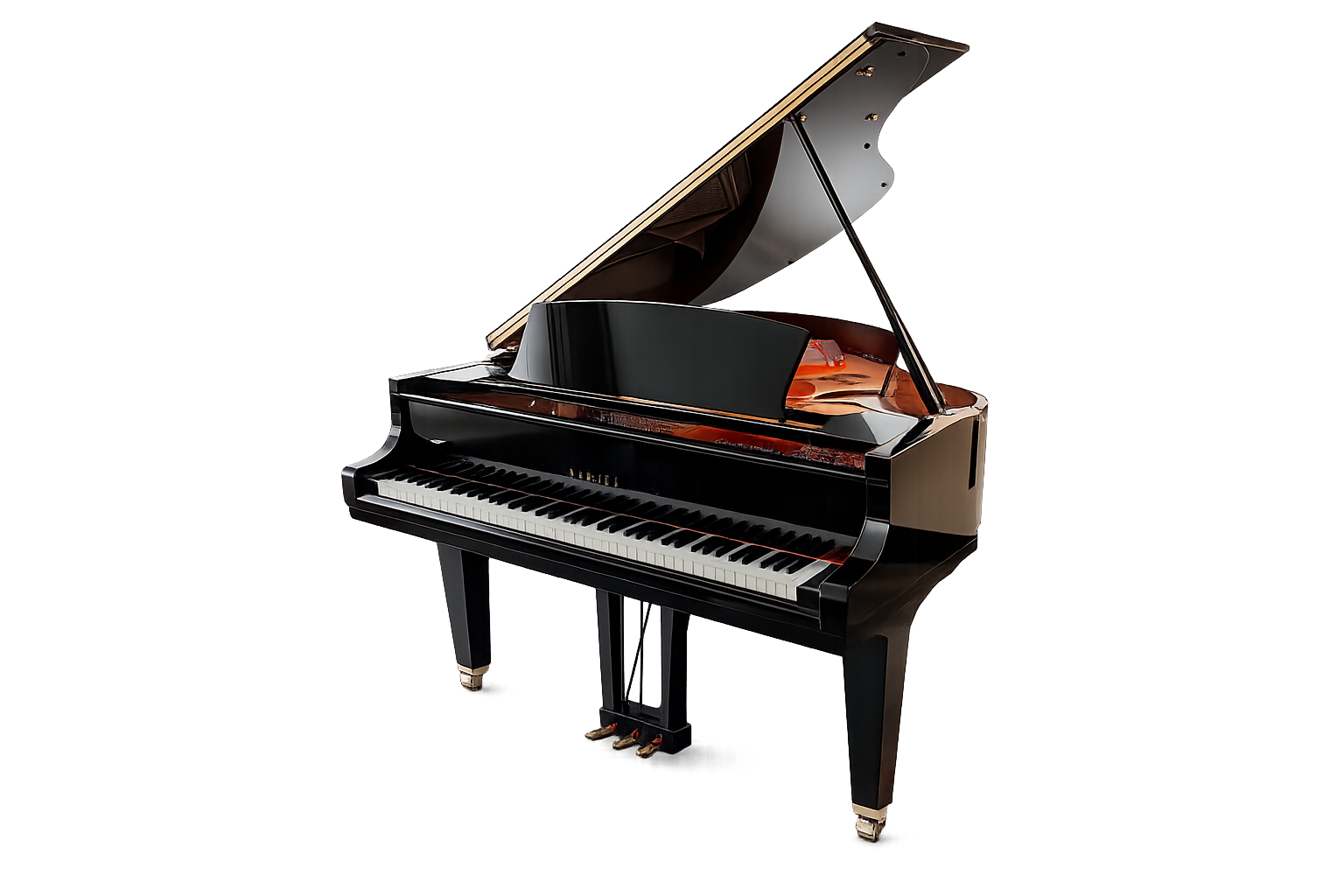
The Piano
Yamaha G3
The Yamaha G3 is part of Yamaha’s traditional G Series lineup, one of the most successful and widely used grand piano series ever produced for the Japanese domestic market. Known for its reliability, precision, consistency, and highly practical design, the G3 became an especially popular conservatory-sized grand piano for homes, teaching studios, schools, institutions, and advanced pianists throughout Japan.
At approximately 6'1", the G3 develops a noticeably broader and more authoritative tonal presentation compared to smaller G Series models like the G1 and G2, with greater sustain, stronger bass development, expanded dynamic range, and a more effortless overall musical character across the keyboard.
One of the things that makes the Yamaha G3 especially interesting is how closely related the platform is to Yamaha’s legendary C3. While the C Series received somewhat more upscale cosmetic appointments and certain upgraded component specifications, the G3 shares enormous similarity in its overall structural design philosophy, scale design, action geometry, and core construction approach.
The Yamaha G3 retains the clarity, responsiveness, and long-term consistency Yamaha grands became known for worldwide while offering true conservatory-level musical capability within a highly balanced and practical size. For many buyers and technicians, the G3 represents one of the strongest long-term values within the used Yamaha grand piano market because of how remarkably close the platform is to the traditional Yamaha C3.
Specifications
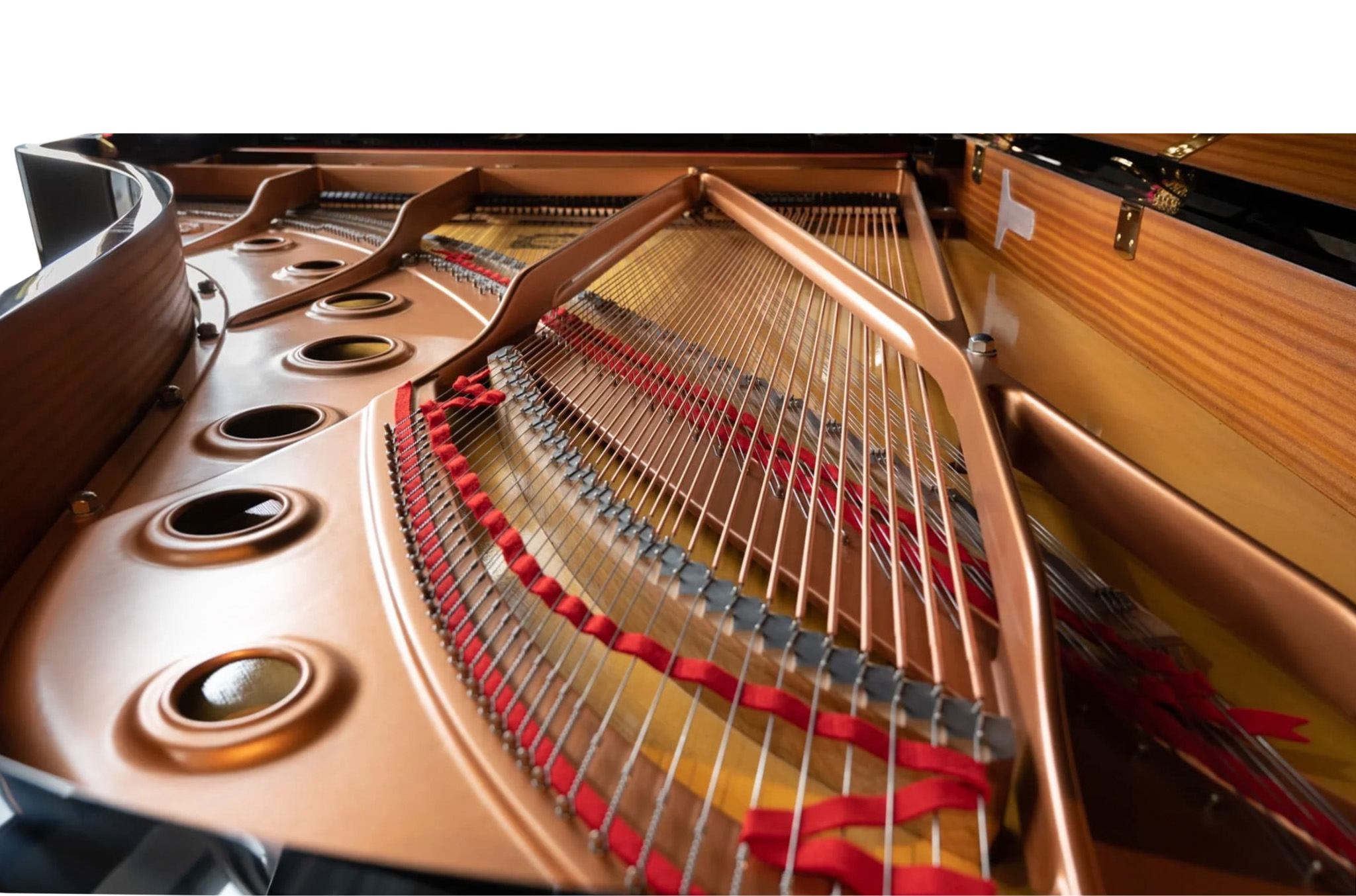
Used Yamaha G3 Value Range
How Much Is a Used Yamaha G3 Grand Piano Worth?
Because the Yamaha G3 was produced across multiple generations and remains one of the most desirable models within the traditional G Series lineup, values can vary considerably based on age, condition, finish, and level of preparation. Most used Yamaha G3 pianos fall somewhere within the range below.
Lower-end examples often require significant mechanical or cosmetic work, while top-market instruments are typically late-production, highly original, or meticulously refurbished to a very high standard.
One of the things that continues to make the Yamaha G3 especially appealing within the used market is how remarkably close the platform is to Yamaha’s legendary C3. While the G Series featured somewhat simpler cosmetic appointments and certain component differences, the underlying structural, engineering, and musical similarities between the two lines are substantial.
For many pianists and technicians, the Yamaha G3 represents one of the strongest values within the used grand piano market because it delivers true conservatory-level musical capability at pricing that often remains considerably more accessible than comparable C Series instruments.
At Seattle Piano Company, we focus on sourcing and offering meticulously refurbished Yamaha pianos from Japan, including carefully selected G Series instruments that consistently fall within the excellent to pristine range.
Through our established relationships and consistent import volume, we are able to bring in some of the highest-quality Yamaha G3 pianos available while maintaining highly competitive pricing within the premium tier of the market.
Materials & Build
- Premium solid spruce soundboard for clarity and dynamic response
- High-quality Yamaha hammer felt for tonal balance and control
- Laminated hardwood rim for structural strength and long-term stability
- Copper-wound bass strings for warmth, depth, and sustain
- Precision-built Yamaha action for consistency and long-term reliability
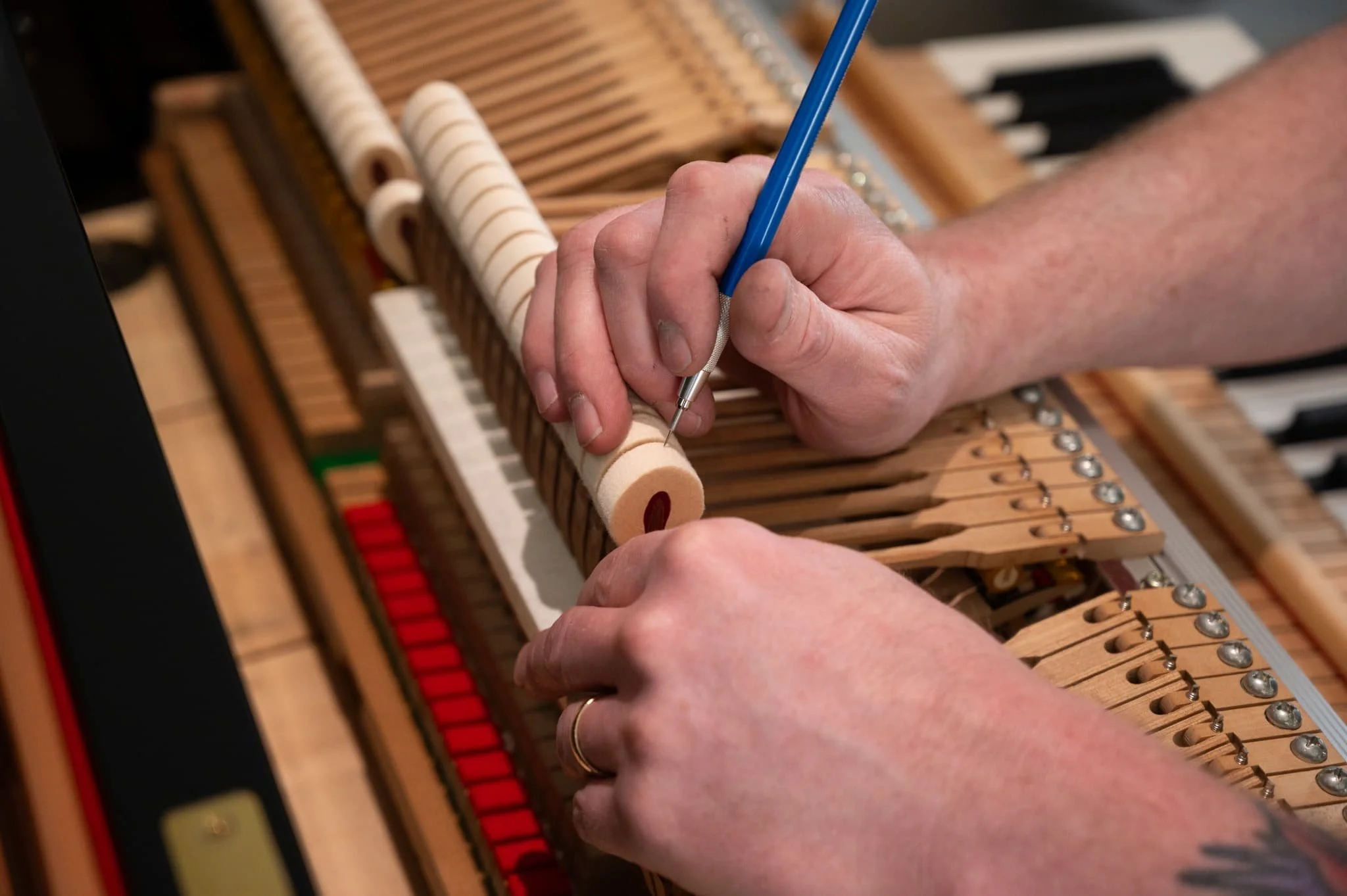
Understanding the Yamaha G3
The Yamaha G3 became one of the most respected and widely used conservatory grands within Yamaha’s traditional G Series lineup because of how successfully it balanced true performance-level musical capability with Yamaha’s long-term consistency, reliability, and precision.
One of the things that surprises many technicians and pianists about the Yamaha G Series is how closely related the platform is to the traditional C Series grands. The G3 shares enormous similarity in its overall structural design, scale philosophy, plate design, action geometry, and core construction approach. In many cases, major structural components between equivalent G and C Series models are directly interchangeable.
At 6'1", the Yamaha G3 develops a noticeably broader and more authoritative tonal presentation compared to smaller G Series models like the G1 and G2, with greater sustain, stronger bass development, expanded dynamic range, and a more effortless overall musical character across the keyboard.
One of the reasons the Yamaha G3 continues to be so highly respected within the used market is because of how remarkably close the instrument is to the legendary Yamaha C3. While the C Series received somewhat more upscale cosmetic appointments and certain upgraded component specifications, the overall structural and musical similarity between the two platforms is often far greater than many buyers initially expect.
Tonally, the Yamaha G3 carries the clear, articulate, and slightly more immediate tonal character many players associate with traditional Yamaha grands. For many pianists and technicians, the G3 represents one of the strongest long-term values within the used Yamaha grand piano market because of how successfully it combines conservatory-level musical capability with Yamaha’s well-known durability and consistency.
From the G Series to the C Series
The Yamaha G Series and traditional C Series were developed alongside one another for many years and share enormous similarity in their overall engineering philosophy, structural design, and musical character.
While the C Series occupied a slightly more premium position within Yamaha’s lineup, the differences between the two platforms are often more nuanced than many buyers initially expect. The overall scale designs, plate structures, action geometry, and core construction approach between comparable G and C Series models remain remarkably similar, with many components directly interchangeable between the two lines.
In many cases, the most noticeable differences are cosmetic rather than structural. Traditional C Series grands often received more upscale appointments such as mahogany inner rim veneers, beveled rim detailing, and certain upgraded component specifications, while the G Series generally carried a more streamlined presentation.
Tonally, both lines retain the clarity, articulation, precision, and long-term consistency Yamaha grands became famous for worldwide. While subtle differences in hammer specifications and component selection do exist between the two series, the overall condition, preparation quality, and level of refinement often have a far greater impact on the final musical result than the factory distinctions alone.
The Yamaha G Series ultimately became one of the most successful and widely used grand piano lines within Japan because it delivered much of the same core Yamaha grand piano experience in a slightly more streamlined and highly practical package.
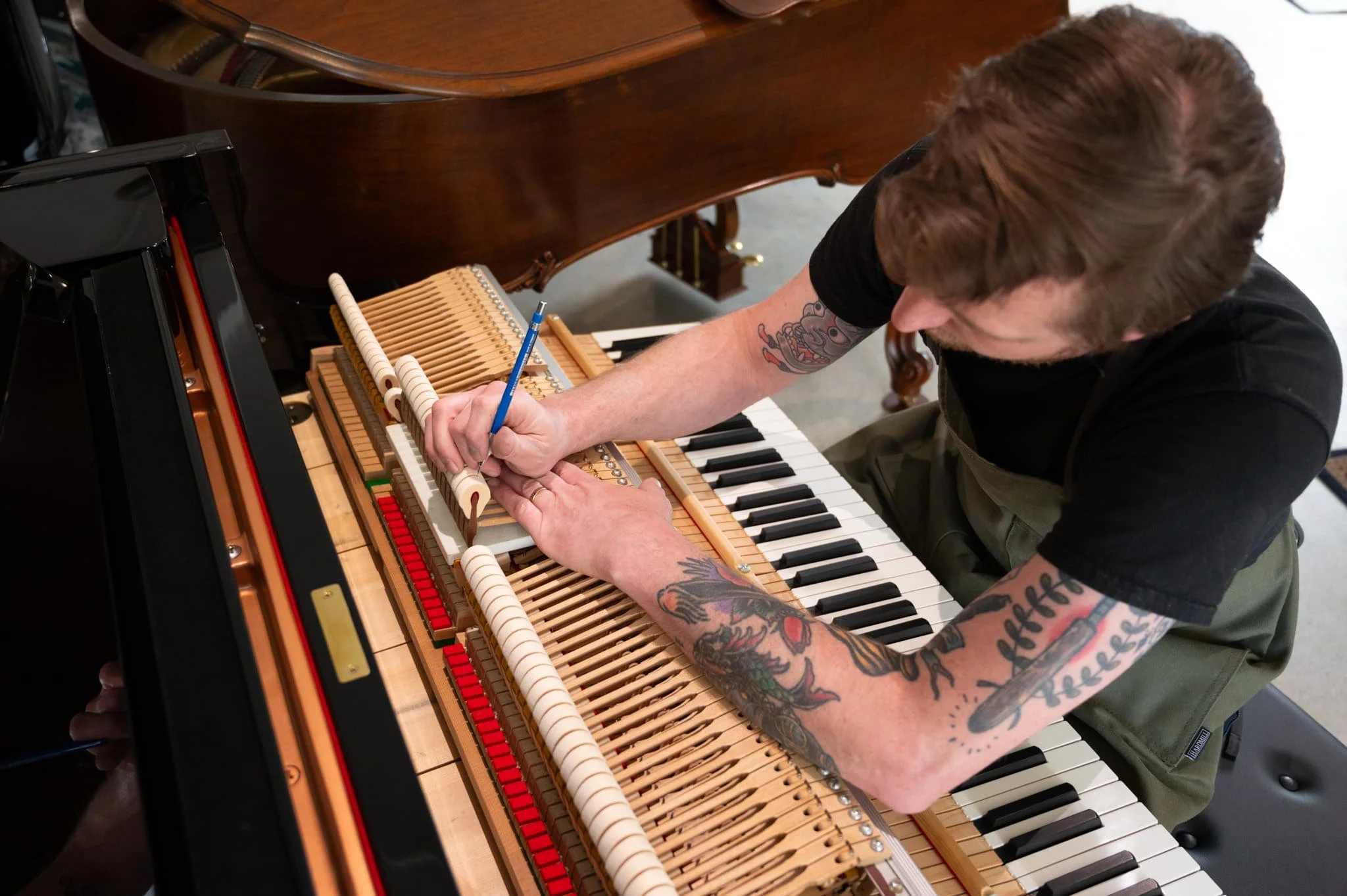
The Yamaha G3 from a Technician’s Perspective
One of the things technicians notice almost immediately with Yamaha grand pianos is the consistency of the overall manufacturing, and the Yamaha G Series played a major role in building that reputation throughout Japan and export markets worldwide.
At 6'1", the Yamaha G3 develops a noticeably broader and more authoritative musical presentation compared to smaller G Series models like the G1 and G2, with greater sustain, stronger bass development, expanded dynamic range, and a more effortless tonal character across the keyboard.
The Yamaha G3 action responds extremely accurately to regulation work. When adjustments are made properly, they tend to render very predictably and remain stable over time, something that unfortunately cannot be said about many piano brands from the same era.
One of the more interesting aspects of the Yamaha G Series from a technician’s perspective is how closely related the platform is to the traditional C Series grands. Many of the structural components, action geometry, scale design elements, and core construction principles between the two lines are remarkably similar, with numerous parts directly interchangeable between equivalent models.
The Yamaha G3 is especially respected because of how remarkably close the platform is to the legendary Yamaha C3. While the C Series received somewhat more upscale cosmetic appointments and certain upgraded component specifications, the overall structural and musical similarity between the two instruments is often far greater than many buyers initially expect.
Even decades later, properly maintained Yamaha G Series pianos continue to provide an excellent foundation for refinement work. When carefully regulated and voiced, the Yamaha G3 still delivers a level of responsiveness, consistency, and musical control that remains extremely competitive within the used grand piano market today.
Used Yamaha G3 Availability
The Yamaha G3 remains one of the most sought-after models within Yamaha’s traditional G Series lineup because of how successfully it delivers serious performance-level musical capability within a highly balanced and practical 6'1" scale.
Because the G3 was produced across multiple generations, overall quality, condition, and level of preparation can vary substantially from one instrument to another. While older examples appear relatively regularly, exceptionally clean and properly prepared G3 pianos become much more difficult to source consistently, particularly within the premium tier of the market.
One of the reasons the Yamaha G3 continues to remain especially desirable is because of how remarkably close the platform is to the legendary Yamaha C3. Many buyers are surprised by the degree of structural and musical similarity between the two instruments once condition and preparation are carefully evaluated side by side.
The G3 also occupies an especially important position within the Yamaha grand piano lineup because it reaches a level of tonal depth, projection, sustain, and musical authority that many pianists associate with serious performance-level grands while still remaining more approachable within the used market than comparable C Series instruments.
Seattle Piano Company imports premium Yamaha pianos directly from Japan through recurring monthly shipments. This allows us to source carefully selected Yamaha G Series instruments that are often significantly cleaner, newer, and better preserved than many examples typically found through traditional domestic trade-in channels alone.
If you are specifically searching for a Yamaha G3 or another Yamaha G Series grand, we encourage reaching out even if current inventory is limited. Incoming inventory changes regularly, and many instruments are reserved before they ever reach the website.
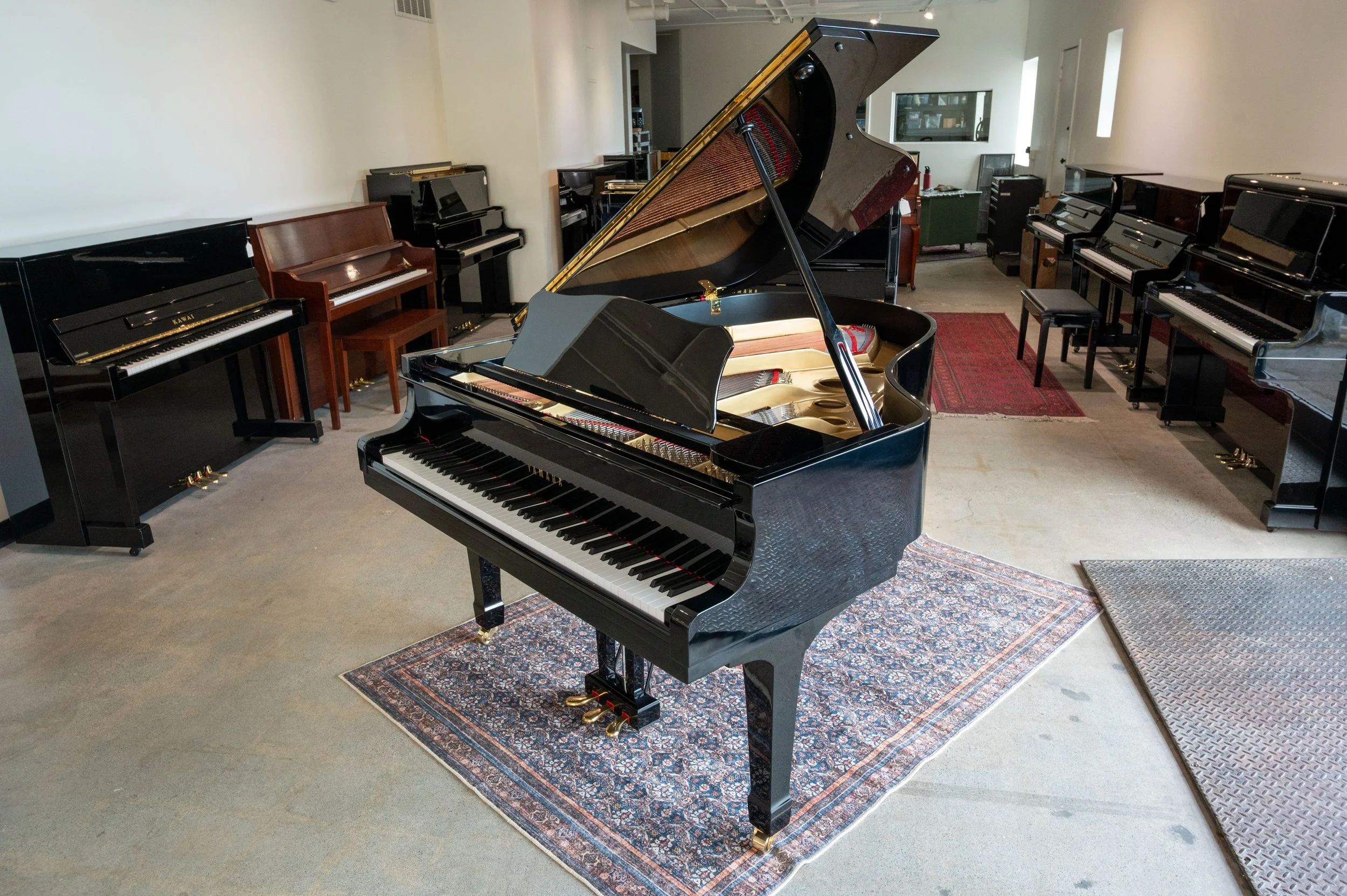
Why the Yamaha G3 Became Such a Respected Performance Grand
One of the most impressive aspects of the Yamaha G3 is how successfully it delivers a level of musical scale, tonal depth, and performance capability that begins to approach Yamaha’s traditional conservatory-level C Series grands while still remaining highly balanced and practical for a wide range of homes, studios, teaching environments, and institutional spaces.
Compared to smaller G Series models like the G1 and G2, the added scale length gives the Yamaha G3 a noticeably broader and more authoritative tonal presentation, with stronger bass development, greater sustain, expanded dynamic range, and a more effortless overall musical character across the keyboard.
One of the reasons the Yamaha G3 continues to be so highly respected within the used market is because of how remarkably close the platform is to the legendary Yamaha C3. The two instruments share substantial similarity in their underlying structural design, scale philosophy, action geometry, and overall musical character, with the differences often being smaller than many buyers initially expect once condition and preparation are carefully evaluated side by side.
The Yamaha G3 occupies an especially important position within the G Series lineup because it reaches a level of tonal depth, projection, and musical authority that many pianists associate with serious performance-level grands while still remaining more approachable within the used market than comparable C Series instruments.
At Seattle Piano Company, the Yamaha G3 continues to stand out as one of the strongest long-term values within the used Yamaha grand piano market because of how consistently these instruments perform when properly maintained and carefully prepared.
Who Is the Yamaha G3 Best For?
The Yamaha G3 is especially well suited for advanced home pianists, teaching studios, recording environments, institutions, churches, and players seeking a serious performance-capable Yamaha grand piano without moving fully into larger conservatory or semi-concert territory.
Because of its 6'1" scale, the G3 delivers substantially greater tonal depth, sustain, bass development, projection, and overall musical authority compared to smaller compact grands while still remaining highly adaptable to many homes, studios, and educational spaces.
For many pianists and technicians, the Yamaha G3 represents one of the strongest long-term values within the used Yamaha grand piano market because of how remarkably close the platform is to the legendary Yamaha C3 while often remaining substantially more accessible within the used market.
The G3 occupies an especially important middle ground within Yamaha’s grand piano lineup. It reaches a level of tonal maturity, dynamic capability, and musical breadth that begins to approach Yamaha’s traditional conservatory-level grands while still remaining practical for a wide range of environments.
Players seeking even greater projection, sustain, tonal scale, and dynamic reserve often move toward larger models like the Yamaha C5, C6, or other semi-concert grands as the next step upward within Yamaha’s lineup.
Yamaha G3 FAQ
Is the Yamaha G3 made in Japan?
Yes. The Yamaha G3 was manufactured in Hamamatsu, Japan.
How long is the Yamaha G3?
The Yamaha G3 measures approximately 6'1" in length.
What is the difference between the Yamaha G3 and C3?
The Yamaha G3 and C3 share substantial similarity in their overall structural design, scale philosophy, plate design, and action geometry. The C Series generally received somewhat more upscale cosmetic appointments and certain upgraded component specifications, while the G Series maintained a slightly more streamlined overall presentation.
Is the Yamaha G3 considered a performance-level grand piano?
Yes. At 6'1", the Yamaha G3 delivers a level of tonal depth, projection, sustain, and musical authority that many pianists associate with serious performance-capable grand pianos.
Is the Yamaha G3 good for advanced pianists?
Yes. The Yamaha G3 offers a highly responsive action, strong tonal consistency, expanded dynamic range, and substantial musical capability that continue to make it popular among advanced pianists, educators, studios, and institutions.
Why is the Yamaha G3 so popular?
The Yamaha G3 became highly respected because it successfully combined serious musical capability, long-term reliability, and Yamaha’s well-known consistency within a highly balanced and practical conservatory-sized platform.
Is the Yamaha G3 better than the Yamaha GC2?
Many pianists and technicians prefer the Yamaha G3 because of its traditional Japanese-built platform, greater scale length, long-term consistency, and close structural relationship to the traditional Yamaha C Series grands.
Is the Yamaha G3 a good alternative to the Yamaha C3?
For many buyers, yes. The Yamaha G3 shares enormous similarity with the traditional Yamaha C3 in overall scale design, action geometry, and structural philosophy while often remaining significantly more accessible within the used market.
Can Seattle Piano Company import a Yamaha G3?
Yes. Seattle Piano Company regularly imports Yamaha pianos directly from Japan and can help source a Yamaha G3 through incoming inventory or a specific import request.
Access to Yamaha G Series Grands from Japan
One of the major advantages of the Yamaha G Series is how extensively these pianos were used throughout Japan for decades. Because the G Series became one of Yamaha’s highest-volume grand piano platforms within the Japanese domestic market, there remains a substantial pool of instruments available across a wide range of sizes and production years.
However, finding exceptionally clean and well-preserved examples within the United States can still be surprisingly difficult, particularly within the premium tier of the used market. Many domestic examples have experienced decades of heavy use, deferred maintenance, inconsistent climates, or cosmetic aging.
Seattle Piano Company specializes in sourcing premium Yamaha pianos directly from Japan through recurring monthly shipments. This gives buyers across the United States access to carefully selected Yamaha G Series grands that are often significantly cleaner, newer, and better preserved than many instruments typically found through traditional domestic dealership inventory alone.
One of the things that continues to make the Yamaha G Series especially compelling is how closely related these instruments are to the traditional Yamaha C Series grands in their underlying engineering, structural design, and overall musical character. For many buyers, the G Series represents one of the strongest values within the used Yamaha grand piano market today.
In many cases, buyers are able to purchase a meticulously prepared Yamaha G Series grand in outstanding condition for substantially less than the cost of a comparable new premium grand piano today.
Every piano is then refined, regulated, voiced, and prepared in our Seattle shop before delivery.
Request An Import Quote
Make - YAMAHA
Model - G3
Size - 6’1”
Serial - 4100246 (Made in 1985)
MSRP (If New) - $64,799
Financed (60 months) - est. $258.05
0% Financing Available - Apply Here
Book Your Showroom Appointment