

Grey Market Yamaha Pianos
- What You Actually Need to Know
There’s a lot of confusion around,
“grey market” Yamaha pianos.
Some of it is rooted in truth - A lot of it isn’t.
This page is here to give you a clear, straightforward explanation without the marketing spin,
so you can understand where the real risks are,
and where the real value comes from.
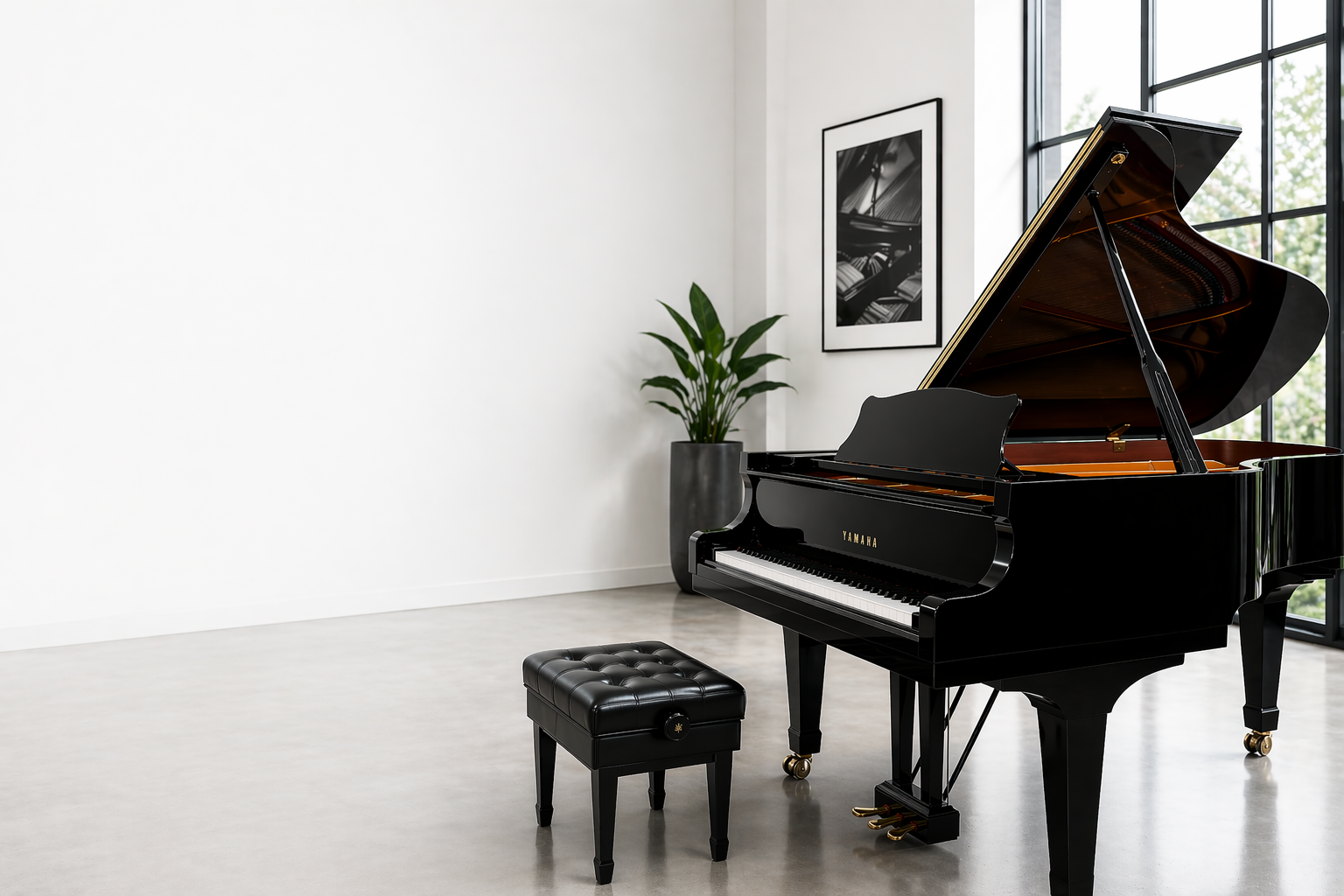
What “Grey Market” Actually Means
When it comes to Yamaha pianos, the term is used a bit differently.
In this context, it generally refers to:
Yamaha pianos originally built for the Japanese domestic market
Later imported into the United States
Not sold through Yamaha’s official U.S. dealer network
By strict definition, this isn’t truly “grey market” in the traditional sense.
At Seattle Piano Company, we specialize in used Yamaha pianos, many of which are sourced directly from Japan. These are pre-owned instruments being carefully selected—not new products being diverted from an authorized sales channel.
The term “grey market” is often misunderstood especially when applied to pianos.
Traditionally, “grey market” refers to new products that are purchased in one country and resold in another by an unauthorized dealer. This has historically been common with high-end European cars, professional camera equipment, and luxury watches. The products themselves are not inferior—they’re simply sold outside of the manufacturer’s intended distribution network, often at a lower price.
Why Yamaha USA Discourages Them
Yamaha’s U.S. distribution network takes a cautious stance on these pianos and there are legitimate reasons for that.

They do not oversee how these instruments are selected or represented once they enter the secondary market
They do not have visibility into the history, usage, or long-term care of each individual piano
They are not involved in the refurbishment or preparation process before resale
They do not provide warranty coverage or service support for these instruments
High-quality used Yamaha pianos can directly compete with the sale of new Yamaha instruments within their dealer network
Yamaha’s Approach Isn’t the Same Everywhere
Yamaha actively supports used Japanese-market pianos in other parts of the world.
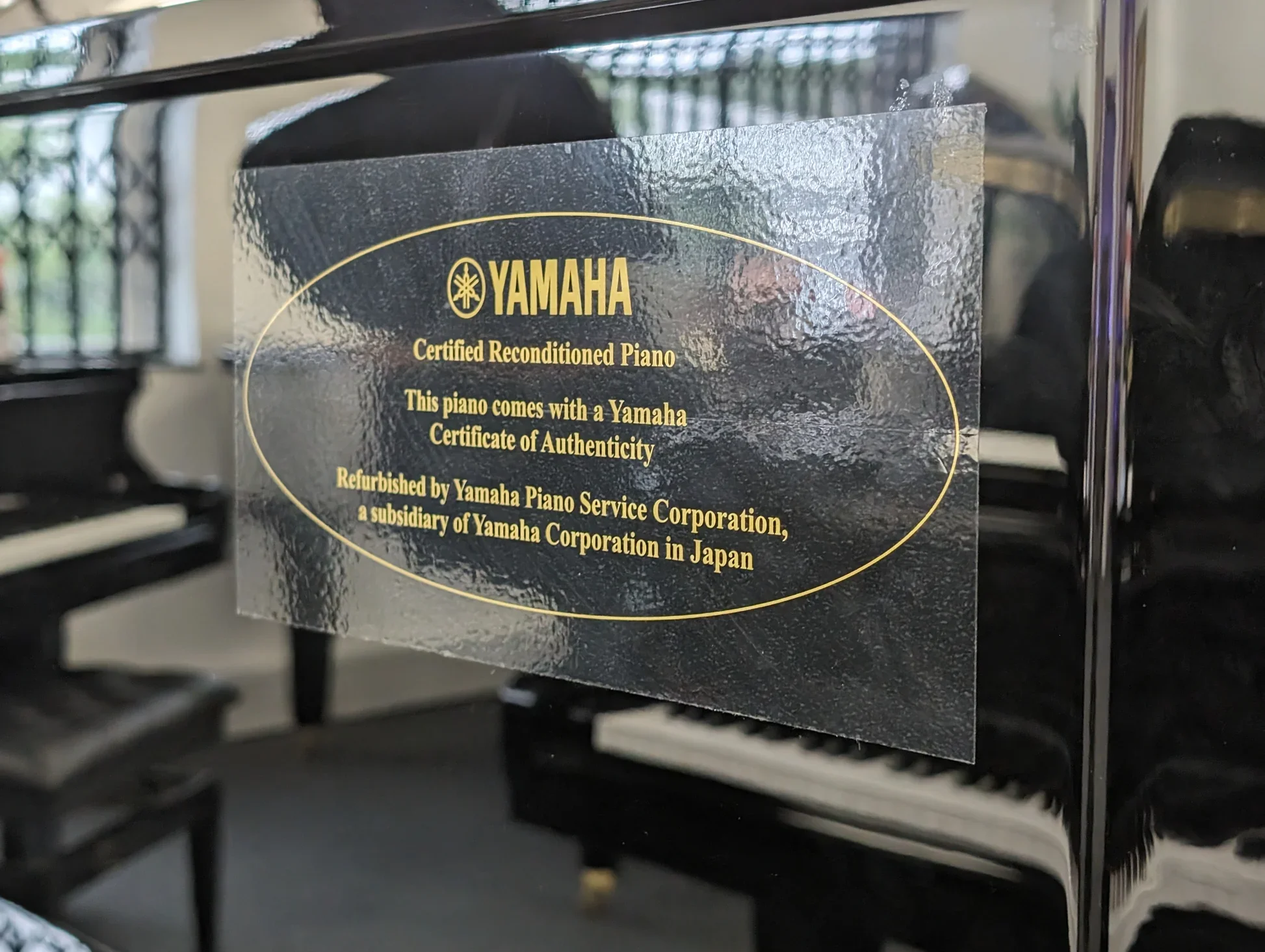
In Europe, Yamaha has developed a Yamaha Certified Used program that allows dealers to sell refurbished Japanese-market pianos alongside new inventory. These instruments are presented under an official framework and are often marked with a Yamaha Certified Used designation.
This program exists to help Yamaha dealers participate in the used piano market—acknowledging both the demand for these instruments and the role they can play alongside new piano sales.
The difference is not whether these pianos have value.
The difference is how they are distributed, supported, and positioned in each market.
Those are all valid considerations. Not every imported piano is equal, and historically, some have entered the market with underlying issues.
There is also a broader context that’s important to understand.
Japan has a very large population of Yamaha pianos, and many of them have been kept in stable, climate-controlled environments—particularly from the late 1980s onward, as modern housing with proper insulation and HVAC became standard.
There’s also a cultural factor at play. In Japan, older homes are often torn down and rebuilt rather than resold. As a result, many pianos from the 1990s and later were placed in newer homes from the beginning—environments that are far more controlled than people often assume.
So while there are certainly lower-grade instruments in the market, there are also a significant number of well-preserved, properly cared-for pianos in Japan.
Where the Real Risk Comes From
The biggest point of confusion is this:
The issue is not simply that a piano came from Japan.
The issue is which piano was selected—and why.
In Japan, Yamaha pianos exist across a wide range of condition and quality—just like they do anywhere else.
- Higher-quality, well-preserved instruments are sold domestically at a premium
- Lower-grade instruments are sold at lower price points
At times in the past, some exporters focused heavily on margin—selecting pianos that could be cosmetically improved to look beautiful, but may have had underlying issues from long-term exposure to uncontrolled environments.
These are the instruments that created many of the negative experiences associated with “grey market” pianos.
What About Moisture and Condition?
There are pianos in Japan that have experienced significant moisture exposure.
Some instruments have lived in uncontrolled environments for long periods and can develop what technicians often refer to as “wet” conditions. In severe cases, these issues are structural.
But that’s not unique to Japan.
The same thing can—and does—happen to pianos that have spent their entire lives in the United States.
Moisture-related issues are not determined by the country of origin.
They’re determined by the environment the piano has lived in over time.
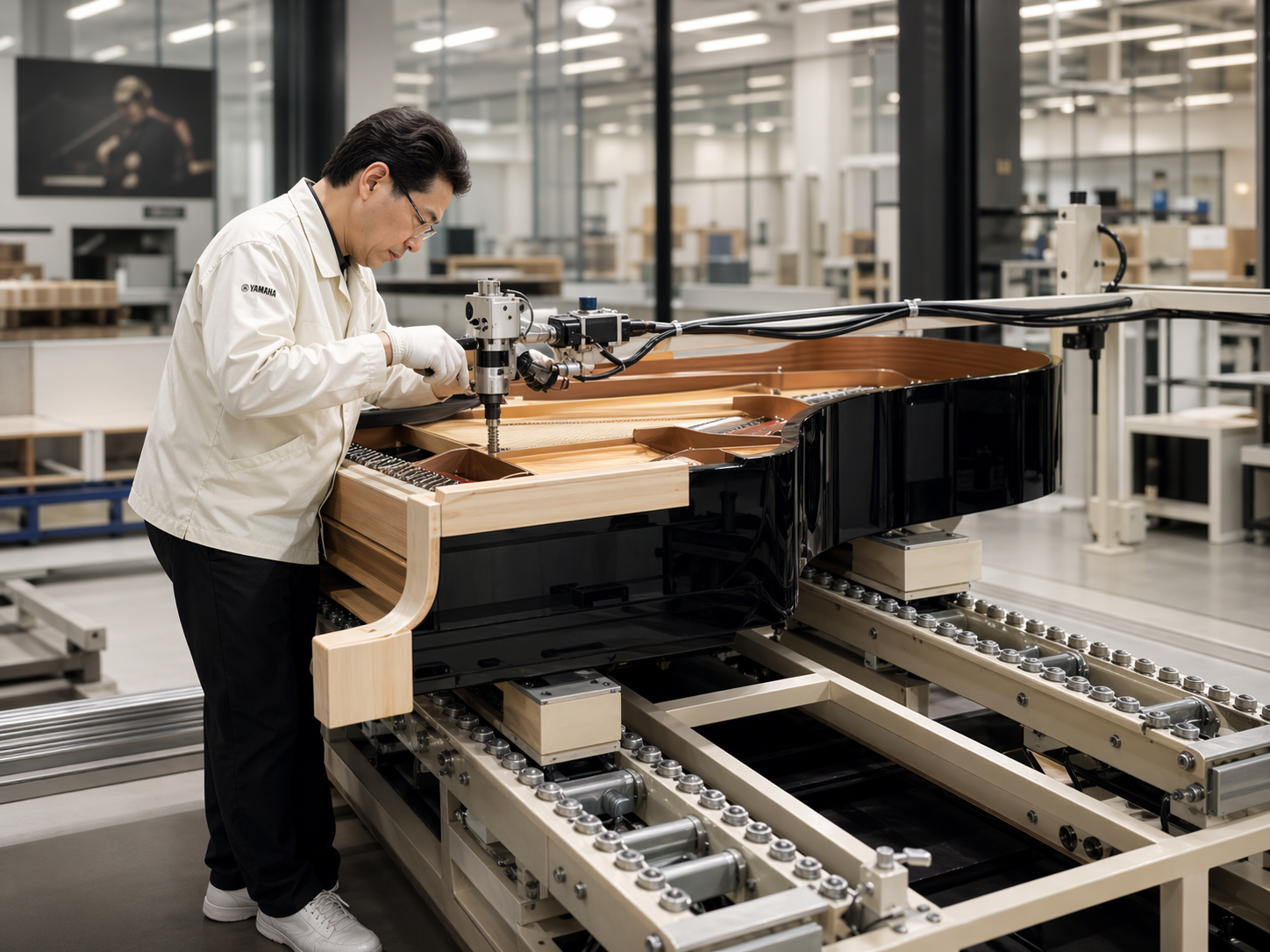
How Yamaha Builds Their Pianos (And Why That Matters)
There’s a common assumption that Yamaha builds pianos differently depending on where they’re being sold—particularly when it comes to moisture content in the wood.
That’s not how it works.
No high-end piano manufacturer—or fine instrument or furniture builder—builds with wood that has a high moisture content. The material is carefully dried—typically to around 6%—before it is ever used in construction.
This is true regardless of whether the piano is destined for Japan, the United States, or anywhere else.
From there, the instrument acclimates to its environment over time. That process happens with every piano.
What is not happening, is Yamaha building pianos for Japan with a higher moisture content than those built for the rest of the world.
You may also hear that Yamaha “climatizes” pianos specifically for the U.S. market.
In practice, that’s a very broad statement. The United States spans an extremely wide range of climates from very dry,
to very humid and no single specification could account for all of those conditions.
It’s also worth noting that Yamaha does not apply similar “U.S.-specific climate” designations to other wooden instruments they produce—such as acoustic guitars or violins—which are arguably even more sensitive to environmental change.
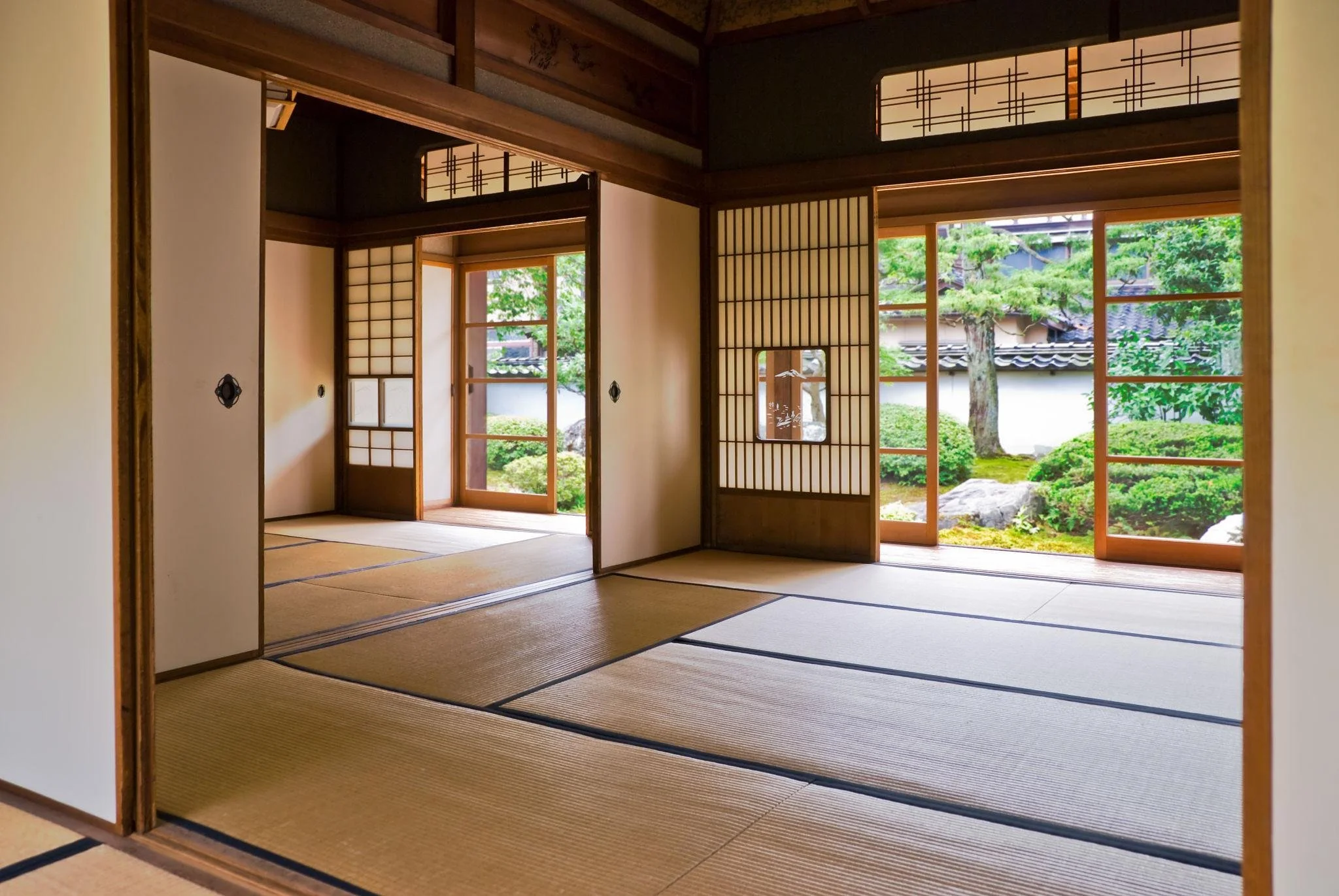
Understanding the Climate Factor
Japan is a humid environment, and that concern is not entirely without merit—especially when looking at older instruments.
Pianos from the 1960s through early 1980s were more likely to have spent time in homes without modern insulation or climate control.
However, that’s not representative of the entire market.
From the late 1980s into the 1990s and beyond:
Homes began incorporating proper insulation and HVAC systems
Climate control became far more consistent
Pianos were increasingly kept in stable indoor environments
Combined with the housing rebuild cycle in Japan, many newer pianos have spent their lives in controlled, stable environments.
So, How Do You Tell the Difference?
If there are both excellent pianos and problematic ones in the market, the natural question becomes:
How do you know which is which?
From the outside, many of these instruments can look nearly identical. A piano that has lived in a controlled environment for decades can appear very similar to one that has been cosmetically refinished after years in less stable conditions.
The difference isn’t always visible at a glance.
It shows up in structural stability, internal condition, consistency of touch, and long-term reliability—not just how the piano looks on day one.
This is why selection matters so much.
Our Standard: What We Will and Won’t Bring In
At Seattle Piano Company, the process starts with selection.
We only import Yamaha pianos that meet a very high standard—typically Grade A to A+ condition.
That means:
No evidence of long-term moisture exposure
Strong, stable structure
Clean internal components—not just a polished exterior
A solid foundation for consistent performance
If a piano does not meet that standard, we simply do not bring it in.
From There, It’s About Refinement
Once a piano meets our selection criteria, it is professionally refurbished in Japan to a high standard.
When it arrives in Seattle, we take it a step further—inspecting, regulating, and voicing the piano to ensure it performs at a consistently high level.

The Bottom Line
Not all “grey market” Yamaha pianos are the same.
Some of the negative reputation comes from a period when lower-grade instruments were imported for the sake of margin.
But there are also Yamaha pianos in Japan that have remained in exceptional condition—often in modern, climate-controlled homes—and those instruments can represent some of the best value in the market.
The difference comes down to selection, standards, and accountability.
Confidence Backed by Real-World Experience
Every piano we sell includes our 10-year parts and labor warranty.
As of 2026, after six years of selling these pianos, I have never had to take one back in or warranty an instrument due to a structural or humidity-related issue.
That confidence starts with being highly selective about what we bring in.
Frequently Asked Questions
-
No. Some imported Yamaha pianos have had condition issues, but that is not because they were built for Japan. The real difference comes down to how the piano lived, how it was selected, and whether it was properly evaluated before resale.
-
No. Yamaha does not build Japanese-market pianos with higher moisture content or lower construction standards. Production methods and materials are consistent across markets.
-
Yes—but so can a piano that has spent its entire life in the United States. Environmental conditions over time are what matter.
-
Yamaha USA is not involved in selecting, preparing, or warranting these instruments. Used imported Yamahas can also directly compete with the sale of new Yamaha pianos within their dealer network.
-
Yes. In Europe, Yamaha has implemented a Yamaha Certified Used program that allows dealers to sell refurbished Japanese-market pianos under an official framework.
-
Yes. Every piano we sell includes a 10-year parts and labor warranty.