Why We Focus On
YAMAHA Pianos
Over the years, I’ve worked on a wide range of pianos—across different brands, price points, and levels of quality.
That experience ultimately led me to focus almost exclusively on Yamaha.
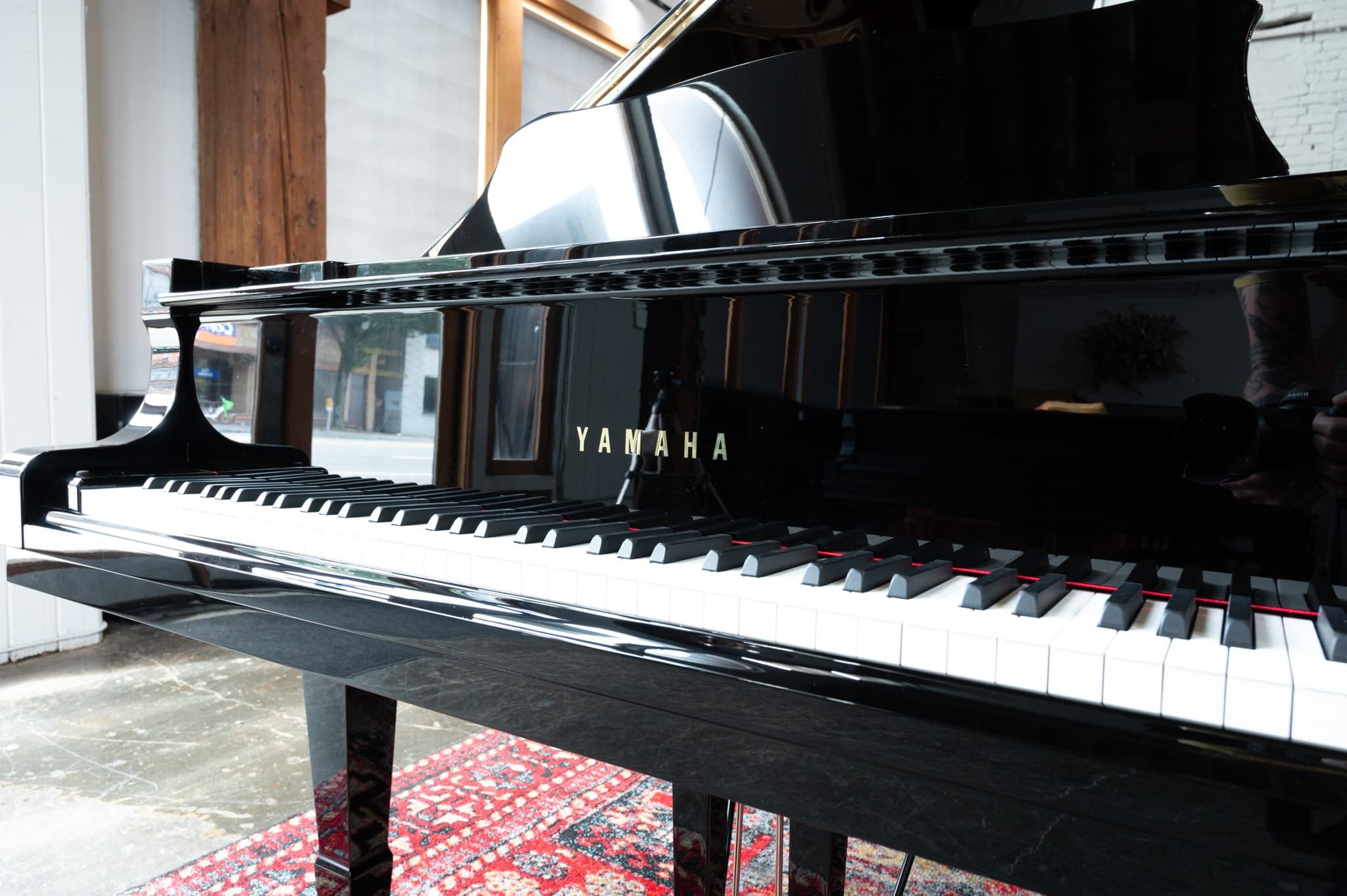
Not because they’re the most recognizable name, but because they consistently deliver something that matters far more over time: build quality, performance, and a tonal character that responds well to proper preparation.

My Story
Early on, whenever I encountered a Yamaha, it stood out.
They weren’t common in the environments I was working in, so when one came through the shop, it felt different. The consistency, the way the action responded, and the clarity of tone—it was always a step above.
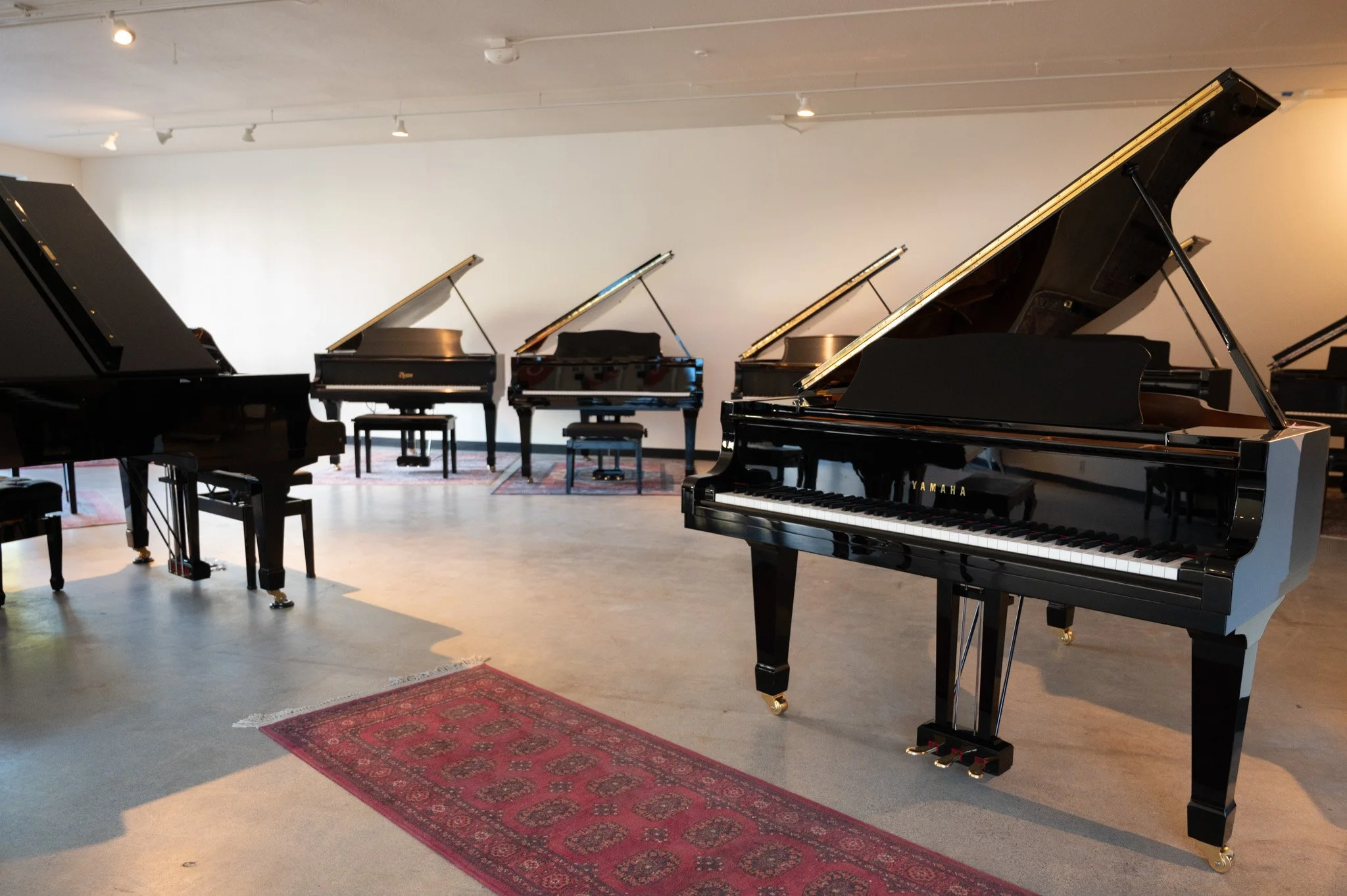
When I first started in the business, I didn’t have the ability to build an inventory around Yamaha alone. Like many stores, I worked with a mix of manufacturers—Baldwin, Young Chang, Kohler & Campbell, and others.
But even then, when showing customers pianos, I found myself saying the same thing:
“I wish every piano in here was a Yamaha.”
That eventually became the goal.
What That Experience Taught Me
Working across different brands gives you a clear perspective on how pianos are built—and where problems tend to show up over time.
With many manufacturers, there are often inconsistencies in materials or production that lead to issues in the action, regulation, and ultimately the tonal consistency of the instrument.
Yamaha, on the other hand, has a level of consistency that’s hard to match.
The design is thoughtful. The materials are reliable. And most importantly, the instruments respond extremely well to proper preparation—both in touch and tone.
That makes a significant difference—not just in how the piano plays today, but in how it continues to sound and perform over years of use.
What Makes YAMAHA Different
There are three things that stand out consistently:
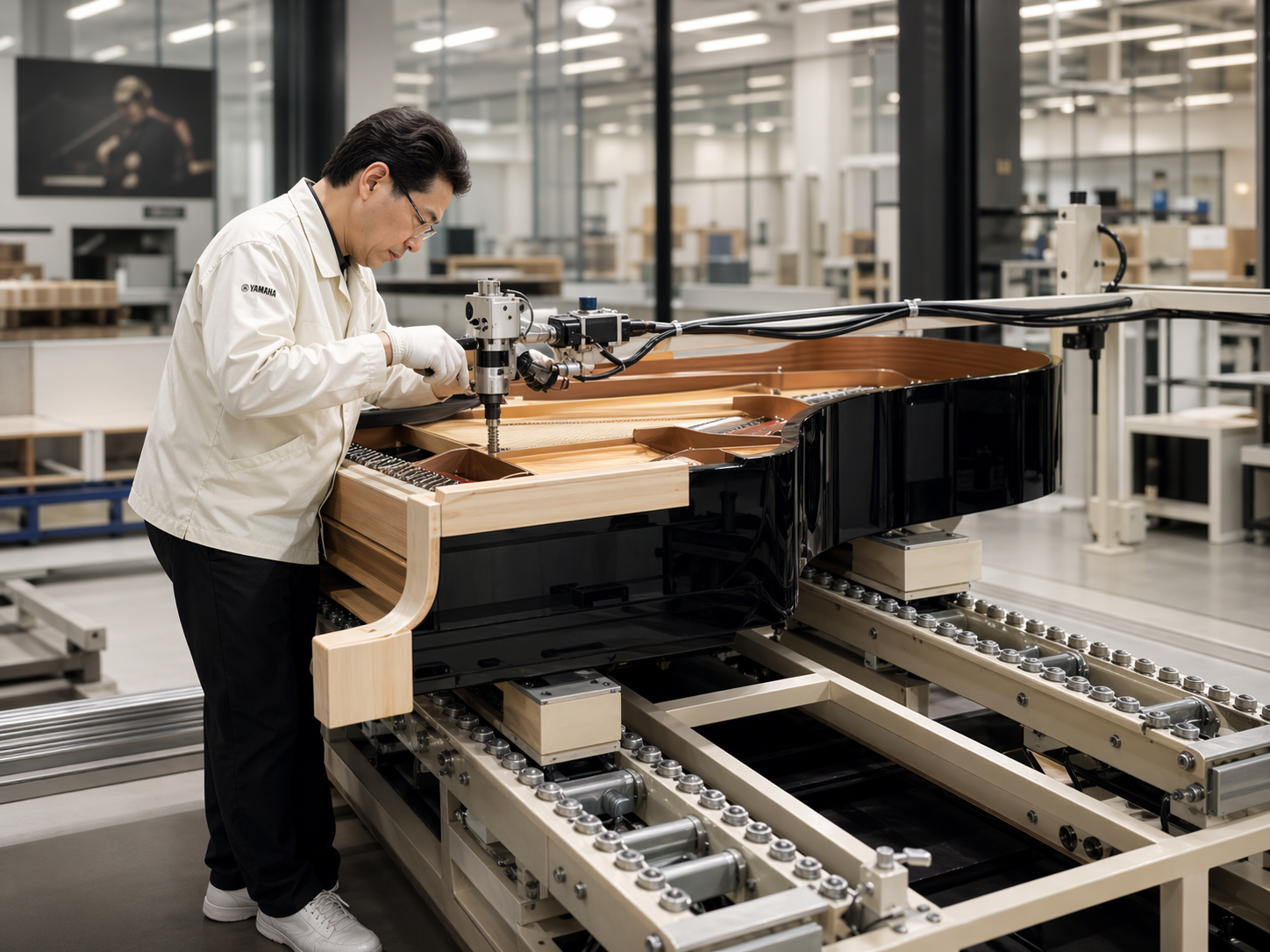
Some of the best build quality in the industry
Unparalleled action performance
Exceptionally clear, balanced tone
A properly prepared Yamaha doesn’t feel limiting or one-dimensional.
It feels controlled and responsive under the hands, while producing a tone that is clean, even, and adaptable.
And despite the common perception, Yamaha pianos are not inherently bright. When properly voiced, they develop a tone that is full, warm, and well-balanced—capable of working across a wide range of musical styles.
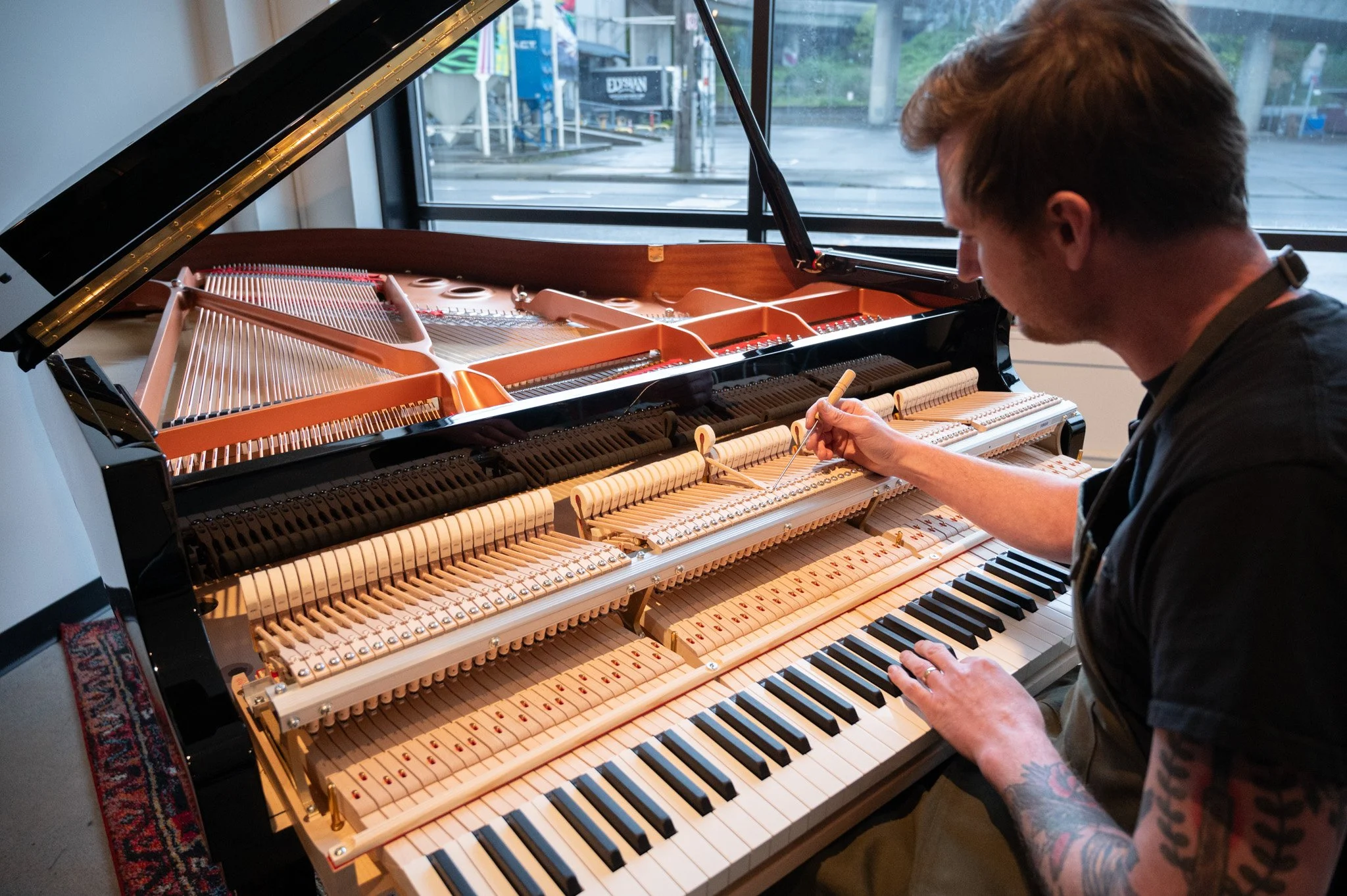
Refined In Seattle
The foundation Yamaha provides is strong—but it’s only part of the equation.
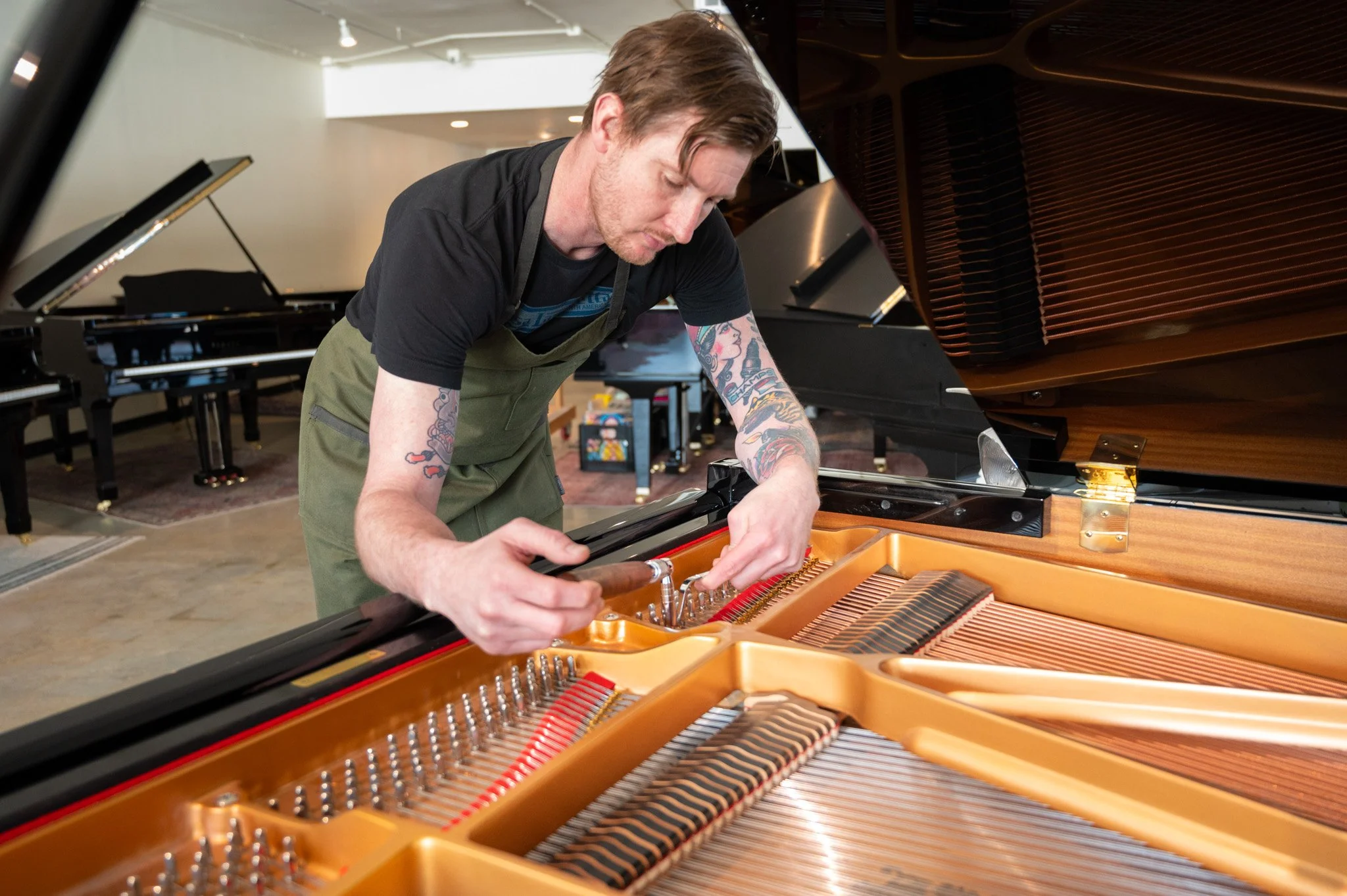
Every piano we bring in is carefully inspected, regulated, and voiced in our Seattle shop.
This final stage is where the tonal character is shaped:
Bringing warmth into the instrument
Smoothing out inconsistencies
Creating balance across the keyboard
The result is a piano that feels consistent to play and produces a tone that is both controlled and expressive.

Confidence
I have a high level of confidence in these pianos.
That confidence comes from years of working on them, preparing them, and hearing how they perform over time—both in terms of touch and tone.
It’s also why every piano we sell includes our 10-year parts and labor warranty.
That’s not something we would offer if we weren’t certain in what we’re selling.
Explore Our YAMAHA Inventory
If you’re considering a Yamaha, we’re happy to help you find the right model based on your space, budget, and playing goals.